Get Livestock Fencing Installation in Santa Ana, CA
Livestock fencing installation services help property owners in Santa Ana, CA, and nearby areas secure livestock, prevent escapes, and define boundaries through various fencing solutions.
Livestock fencing installation services are essential for property owners in Santa Ana, CA seeking to create secure and functional boundaries for their land. Proper fencing helps prevent animals from wandering off and keeps unwanted visitors out, enhancing overall safety and peace of mind. Additionally, well-designed fences contribute to the aesthetic appeal of a property, complementing the landscape and increasing curb appeal. Durable materials and professional installation ensure that the fencing withstands local weather conditions, reducing the need for frequent repairs and maintenance over time.
Property owners often consider livestock fencing to improve the usability of their outdoor spaces, whether for grazing, containment, or aesthetic purposes. A high-quality fence provides reliable functionality, allowing for better management of livestock and outdoor activities. Choosing experienced local contractors can result in fences that are not only sturdy and long-lasting but also require minimal upkeep, saving time and resources. Overall, professional fencing services support the practical needs of property owners while enhancing the visual value of their properties.
- Pasture Enclosures - needed when farmers or ranchers want to contain livestock securely in open grazing areas near Santa Ana, CA.
- Farm Perimeter Fencing - required for protecting agricultural land from wildlife or unauthorized access in rural parts of California.
- Corrals and Holding Pens - used when managing livestock for sorting, loading, or veterinary care on farms and ranches in the Los Angeles area.
- Erosion Control Fencing - necessary for preventing soil erosion and managing livestock movement on hilly or uneven terrains in nearby regions.
- Temporary Fencing - ideal for short-term livestock containment during events or seasonal grazing in agricultural communities around Southern California.
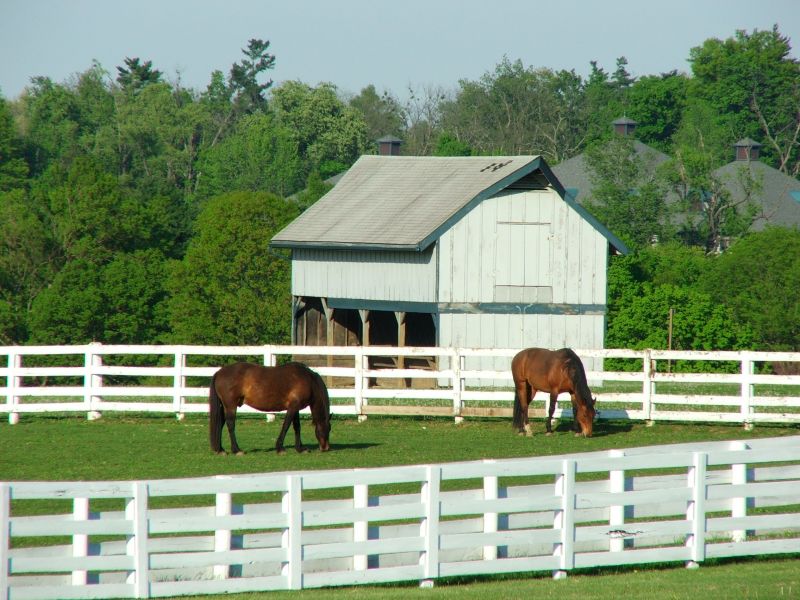
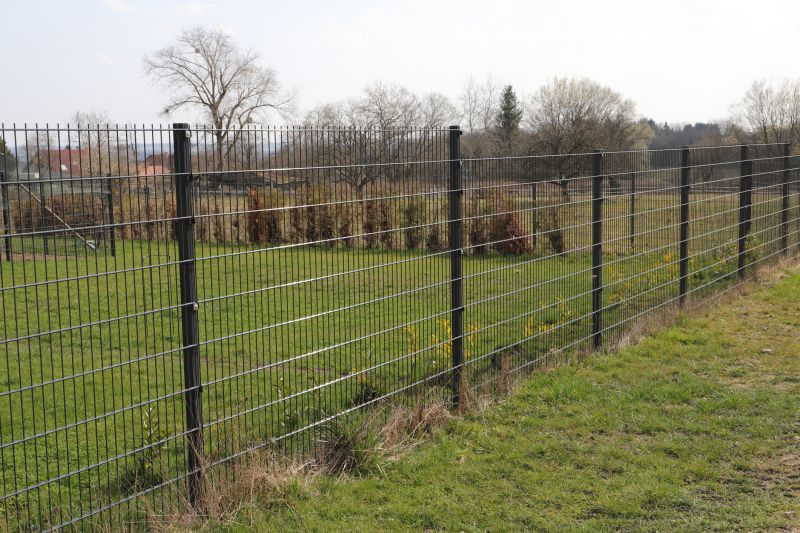
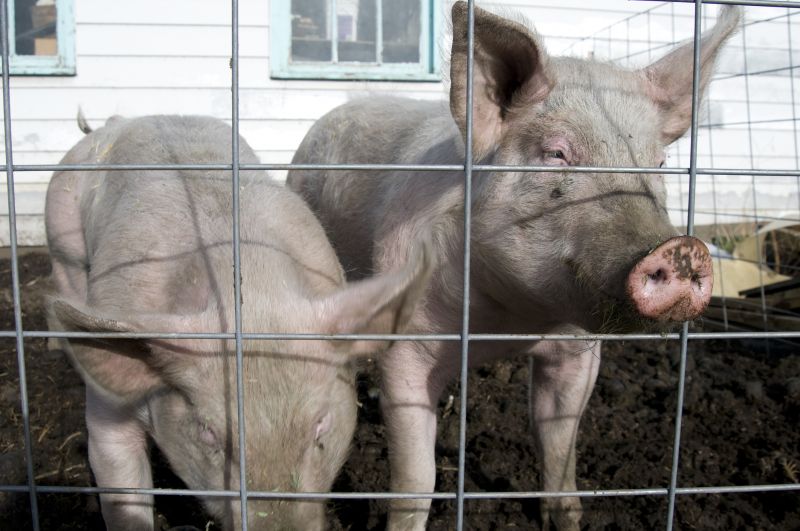
Livestock fencing installation services involve setting up barriers designed to contain animals such as cattle, horses, sheep, goats, and other farm or ranch livestock. These fencing systems are typically constructed using materials like wood, wire, vinyl, or metal, depending on the specific needs of the property and the type of livestock. The installation process often includes assessing the property layout, selecting the appropriate fencing type, and ensuring that the fence is properly anchored and secured to withstand the animals' movements and environmental conditions. Proper installation is essential to create a secure boundary that prevents livestock from escaping and helps maintain the safety of both animals and property.
One of the primary problems livestock fencing helps address is the containment and security of animals. Without a reliable fence, animals can wander off, leading to potential safety hazards, property damage, or conflicts with neighbors. Additionally, livestock fencing can serve as a deterrent against predators and unauthorized access, protecting valuable animals from harm. It also assists in managing grazing areas, preventing overgrazing, and keeping different species separated when necessary. Well-installed fencing reduces the need for constant supervision and minimizes the risk of animals escaping, which can be costly and time-consuming to manage.
Properties that typically utilize livestock fencing installation services include farms, ranches, equestrian facilities, and large rural properties. These properties often require durable and tailored fencing solutions to accommodate the specific needs of their animals and land layout. Residential properties with hobby farms or small holdings may also seek fencing services to secure livestock and maintain property boundaries. Commercial agricultural operations, livestock breeding facilities, and equestrian centers are common clients, as they rely heavily on effective fencing to ensure the safety, security, and proper management of their animals.
Local fencing contractors and service providers offer a range of options to meet the diverse needs of livestock owners. They can recommend suitable fencing types based on the type of animals, property size, and budget considerations. These professionals typically handle the entire installation process, ensuring that fences are properly constructed, anchored, and maintained to last through various weather conditions and animal behaviors. Contacting experienced local pros can help property owners find the right fencing solutions to secure their livestock effectively and protect their investments.
The overview below groups typical Livestock Fencing Installation projects into broad ranges so you can see how smaller, mid-sized, and larger jobs often compare in Santa Ana, CA.
In many markets, a large share of routine jobs stays in the lower and middle ranges, while only a smaller percentage of projects moves into the highest bands when the work is more complex or site conditions are harder than average.
Material Costs - The cost for fencing materials varies depending on the type, such as wood, wire, or vinyl, typically ranging from $8 to $15 per linear foot. For a standard 200-foot livestock fence, material expenses can be between $1,600 and $3,000. Prices may fluctuate based on material quality and supplier rates.
Labor Expenses - Installation labor costs generally fall between $5 and $12 per linear foot, depending on complexity and terrain. For a typical farm fencing project, labor charges could total from $1,000 to $2,400 for 200 feet. Additional site preparation may influence overall costs.
Permitting and Fees - Some areas require permits for livestock fencing installation, with fees ranging from $50 to $200. These costs are variable based on local regulations and project scope. Contractors can provide guidance on applicable permits in Santa Ana and nearby regions.
Additional Costs - Extra expenses such as gates, fencing accessories, or repairs can add to the overall budget. For example, installing a gate might cost an extra $150 to $300, depending on size and material. Budget considerations should include potential supplementary features and services.
Actual totals will depend on details like access to the work area, the scope of the project, and the materials selected, so use these as general starting points rather than exact figures.
Electric Fencing - local pros install electric fencing to provide an effective barrier for livestock, enhancing security and containment on farms and ranches.
Wooden Fencing - experienced contractors offer wooden fencing solutions that are durable and suitable for livestock enclosures, offering both functionality and aesthetic appeal.
Chain-Link Fencing - chain-link fencing installation services help create secure and visible boundaries for livestock areas, preventing escapes and unauthorized access.
Barbed Wire Fencing - local service providers set up barbed wire fences that are commonly used in rural settings to contain livestock and deter intruders.
Pipe Fencing - pipe fencing options are available through local contractors, offering sturdy and long-lasting enclosures for various types of livestock.
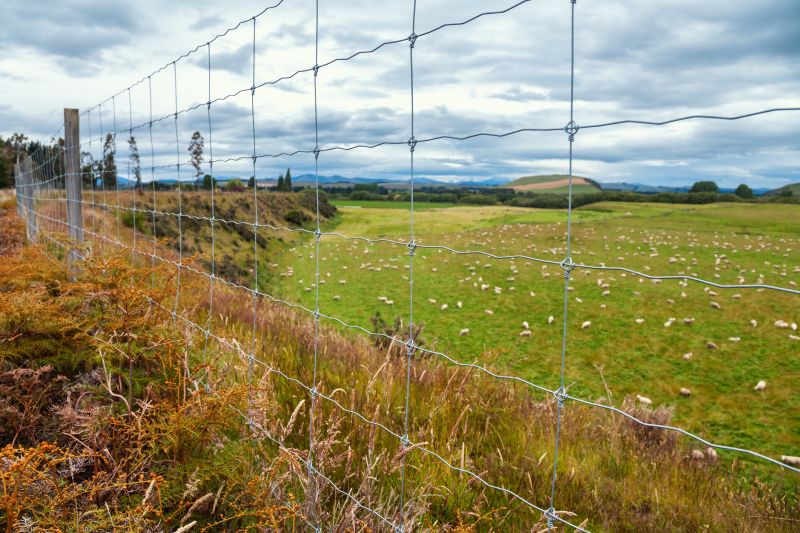
Field Fencing - specialists install field fencing designed to enclose large pasture areas, supporting livestock management and grazing needs.
When selecting a professional for livestock fencing installation, it is important to consider their experience with similar projects. Homeowners should look for local service providers who have a proven track record of successfully completing fencing projects in the area. Experienced contractors are often familiar with regional conditions and common challenges, which can contribute to a smoother installation process and a durable, functional fence.
Clear communication and well-defined expectations are essential when working with a fencing contractor. Homeowners should seek providers who are transparent about their scope of work, materials, and procedures. Establishing open lines of communication early on helps ensure that both parties have a mutual understanding of the project’s requirements and reduces the likelihood of misunderstandings or surprises during the installation.
Reputable references and reviews can offer valuable insights into a local fencing contractor’s reliability and quality of work. Homeowners are encouraged to ask for references or review feedback from previous clients in the area. Reliable contractors are often known for their professionalism, timely completion, and quality craftsmanship, which can help inform a well-rounded decision when choosing a livestock fencing service provider.
Property owners in Santa Ana, CA use Livestock Fencing Installation services for practical projects around their homes and businesses. The sections below highlight everyday jobs and straightforward project options.
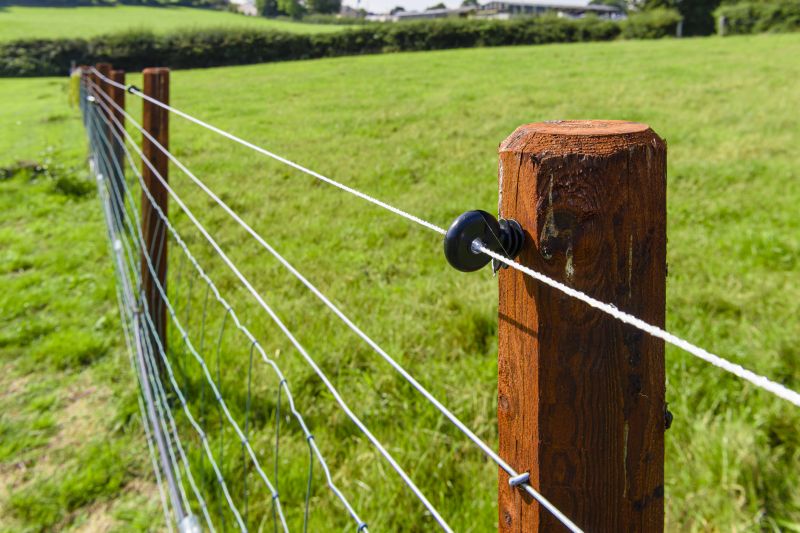
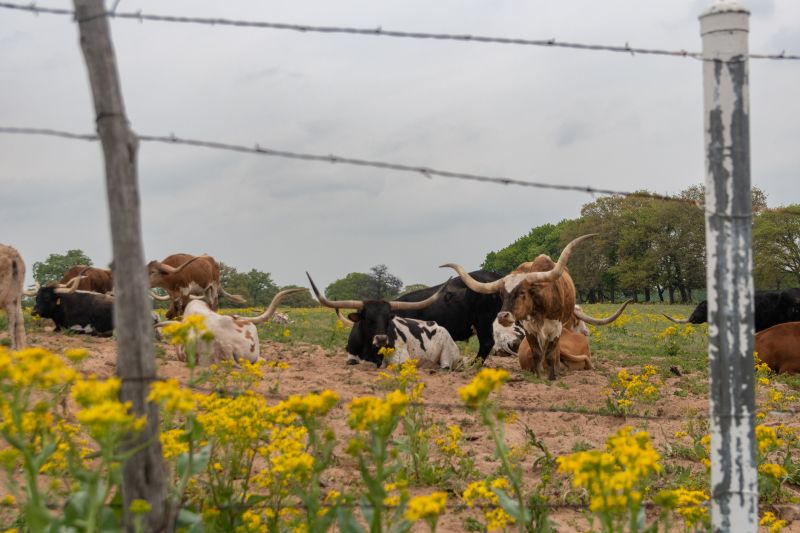
Livestock fencing installation services are commonly sought by property owners in Santa Ana, CA who want to secure their land or livestock. Whether managing a small farm, a backyard with chickens, or a larger ranch, fencing helps keep animals safe and contained. Property owners may also look for fencing to prevent unwanted visitors or to define property boundaries clearly, especially in areas where neighboring properties are close together.
In addition to livestock containment, fencing can serve practical purposes such as protecting gardens from animals or creating a private outdoor space. Local contractors can assist with selecting the right fencing materials and styles to match the property's needs and aesthetic. Contacting experienced fencing professionals can help ensure the installation is durable and suited to the local climate and terrain.
What types of fencing are suitable for livestock? Local fencing professionals can recommend various options such as wire, wood, or electric fences, based on the specific needs of the livestock and property layout.
How long does livestock fencing installation typically take? The duration varies depending on the size of the area and the fencing type, but local contractors can provide estimates based on the scope of the project.
What factors should be considered when planning livestock fencing? Factors include the type of animals, property terrain, security requirements, and local regulations, which local pros can help assess.
Is maintenance required for livestock fencing after installation? Yes, regular inspections and repairs are recommended to ensure the fencing remains effective and secure, with local service providers offering maintenance services.
Can livestock fencing be installed on uneven or challenging terrain? Many local fencing experts have experience working with various terrains and can adapt installation methods to accommodate challenging landscapes.
Types of Fencing Materials
- Explore various fencing options such as wood, wire, and vinyl to suit different livestock needs. Local service providers can recommend the best materials for durability and function.Installation Techniques
- Professional livestock fencing installers use proven methods to ensure secure and long-lasting enclosures. Contact local experts to discuss the most effective installation approaches.Permitting and Regulations
- Local pros are knowledgeable about regional fencing codes and regulations that may impact installation. Reach out to ensure compliance with local requirements.Fence Maintenance and Repairs
- Skilled contractors can assist with ongoing maintenance or repairs to keep livestock fencing in optimal condition. Connect with local service providers for support.
Considering Livestock Fencing Installation for a property in Santa Ana, CA? The sections above highlight common project types, practical options, and details that often shape the scope of work.
When you are ready, use the quote form to share a few details about your project. Local pros can review the basics and respond with options that match what you have in mind.